
See What 20 Feet Container Size Tricks The Celebs Are Using
페이지 정보

본문
Understanding the 20 Feet Container Size: A Comprehensive Guide
When it concerns shipping and logistics, containers play an essential role in effectively carrying products around the world. Amongst the different container sizes offered, the 20-foot container is among the most popular and widely utilized options. In this blog post, we will explore the specs, advantages, and applications of the 20-foot container, helping you acquire a better understanding of its significance in the shipping industry.
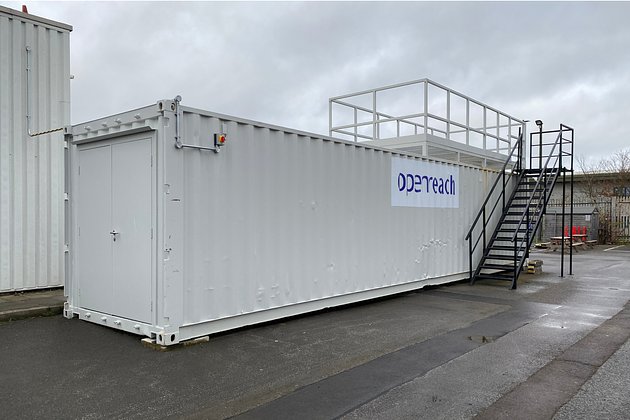
Table of Contents
- What is a 20 Feet Container?
- Specifications Size Of 20 Foot Container a 20 Feet Container
- Outside Dimensions
- Interior Dimensions
- Weight Capacity
- Kinds of 20 Feet Containers
- Benefits of Using 20 Feet Containers
- Applications of 20 Feet Containers
- Often Asked Questions (FAQs)
1. What is a 20 Feet Container?
A 20 feet container, referring to its length, is a standard intermodal 20ft Container Internal Size used for transferring products and items. It is usually built from steel, providing sturdiness and strength to stand up to harsh ecological conditions throughout transit. The 20-foot container is likewise called a TEU (Twenty-foot Equivalent Unit) and is among the most typical sizes discovered in global shipping.
2. Specs of a 20 Feet Container
Understanding the specifications of a 20 feet container is crucial for determining its suitability for various shipping requirements. Below is a detailed table describing the dimensions and weight capabilities of a basic 20 feet container.
| Specification | Requirement Container |
|---|---|
| External Length | 20 feet (6.058 meters) |
| External Width | 8 feet (2.438 meters) |
| External Height | 8.5 feet (2.591 meters) |
| Internal Length | 19.4 feet (5.898 meters) |
| Internal Width | 7.7 feet (2.352 meters) |
| Internal Height | 7.9 feet (2.392 meters) |
| Max Payload Capacity | Approximate. 28,200 pounds (12,700 kg) |
| Tare Weight | Approximate. 4,850 pounds (2,200 kg) |
These dimensions can a little differ depending upon the maker and particular style features, particularly in specialized containers.
3. Types of 20 Feet Containers
20 feet containers been available in different types to accommodate various shipping requirements. They include:
- Standard Dry Container: The most typical type, ideal for general freight.
- Reefer Container: A refrigerated container created for disposable products.
- Open Top Container: Suitable for large freight that can not fit through basic doors.
- Flat Rack Container: Used for heavy or bulky freight, providing an open structure.
- High Cube Container: Offers extra height compared to a standard container for additional capacity.
4. Benefits of Using 20 Feet Containers
There are numerous advantages related to using 20 feet containers in shipping:
- Versatility: Suitable for a vast array of items, from equipment to textiles.
- Cost-Effective: Lower shipping costs per unit compared to smaller sized containers.
- Ease of access: Fit into many transport cars, making loading and discharging much easier.
- Stackability: Allows for efficient use of space on ships, trucks, and trains.
- Security: Durable building and construction offers security against theft and damage.
5. Applications of 20 Feet Containers
The versatility of 20-foot containers makes them suitable for numerous applications, including:
- International Shipping: Widely used for exporting and importing goods across nations.
- Storage Solutions: Modified containers serve as safe storage units for services and people.
- Modular Construction: Used in building temporary or permanent structures, such as workplaces and homes.
- Event Management: Containers can be repurposed as pop-up stores or mobile offices for events.
6. Regularly Asked Questions (FAQs)
Q1: What is the optimum weight a 20 feet container can hold?A: The optimum payload capability of a basic 20 feet container is around 28,200 lbs( 12,700 kg), though this can differ based on particular container types. Q2: Can a 20 feet container
be transferred by different modes of transportation?A: Yes, 20 feet containers are designed to be intermodal,
implying they can be carried by truck, train, and ship. Q3: Are there different types of 20 feet containers available?A: Yes, thereare several types, including basic dry containers
, reefer containers, open-top containers, flat rack containers, and high cube containers. Q4: How much does a 20 feet container cost?A: The price of a new 20 feet container usually varies from ₤ 2,000 to
₤ 4,000, depending upon the type and condition. Used containers can be considerably cheaper. Q5: What are the benefits of using a high cube container over a standard container?A: High
cube containers offer extra height, enabling more freight capacity, making them beneficial for shipping taller items. The 20 feet container is a basic element of global trade and logistics, using a reliable, versatile solution for transporting various kinds of items. By understanding its requirements, types, and benefits, organizations can make educated decisions about their shipping requires. Whether utilized for global 20ft Shipping Container Dimensions, storage, or modular building and construction, 20 Feet Container Size feet containers stay an invaluable asset in the ever-evolving world Size Of 20ft Container logistics.
- 이전글20 Questions You Should Be Asking About A4 Paper Store Before You Purchase A4 Paper Store 26.07.14
- 다음글The 10 Most Scariest Things About A4 Paper Supply 26.07.14
댓글목록
등록된 댓글이 없습니다.